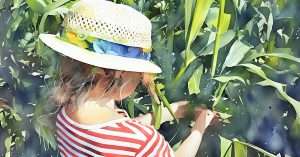
Creating an inspiring early childhood science program
Explore the wonders of science in early childhood education! Learn how to connect science with the EYLF, nurture curiosity and create inspiring environments for young learners.
Explore the wonders of science in early childhood education! Learn how to connect science with the EYLF, nurture curiosity and create inspiring environments for young learners.

Implementing science experiments can be daunting for primary school teachers. Likewise, students can struggle to see their relevance to their lives. Julia Burton’s primary science resources want to help both appreciate and understand experiments.

Learning science in school is a great way to develop students’ critical and creative thinking skills while engaging them in activities.

Why teach science to young children? Because young children and science are a natural fit. Early learning science engages young explorers.

Why is climate change important to young people’s learning? In Years 7–11, students are already experiencing rapid physical, emotional and social changes in their own lives. As they see it, climate change may be just one more disaster that no one can do anything about.
Associate Professor Christine Howitt discusses the importance of integrating STEM into early childhood settings. It is an integrated approach to exploring and investigating.
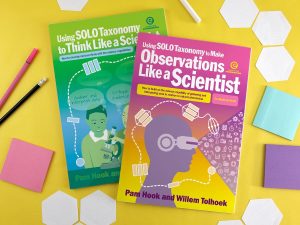
Pam Hook and Willem Tolhoek’s latest SOLO Taxonomy book presents simple experiments to guide science students as they investigate, observe, gather and interpret data.
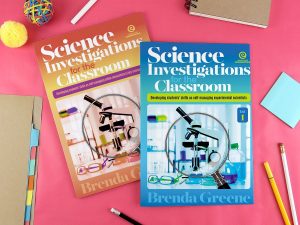
Brenda Greene discusses how exposing students to different ways of expressing and experiencing science is vital to their learning and engagement.