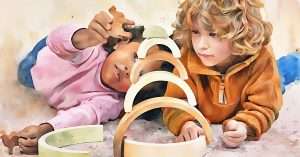
The positive impact of play-based learning in early childhood
Play is how young children make sense of their world. Explore what play-based learning looks like, why it matters under the EYLF and Te Whāriki, and practical ideas you can try this week.
Play is how young children make sense of their world. Explore what play-based learning looks like, why it matters under the EYLF and Te Whāriki, and practical ideas you can try this week.
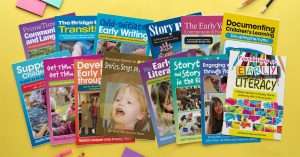
Found a resource you love? We’ve paired popular early childhood education resources with fresh picks to try next, covering theories into practice, children’s interests, inclusive education and growth mindset. Your next favourite is waiting …
Discover why implementing change in your ECEC doesn’t always lead to transformational practice or planned results. Leanne Gibbs and Mandy Cooke are here to help your team make room for the quality improvement you are trying to achieve.
Explore why outdoor play in early childhood is essential and discover practical strategies and trusted resources for designing safe, engaging and curriculum-aligned outdoor learning experiences. Perfect for ECE settings across Australia.
Discover practical strategies for supporting emotional regulation in early childhood with author Niki Buchan. Help young children manage big emotions and build lifelong skills.
Discover how Abby Zhong enhanced her children’s social and emotional skills with professional learning, using real strategies to tackle challenging behaviour.
Experienced educator and recognised author, Anne Houghton, sets intentional teaching in its big-picture context to show its potential as an effective pedagogical practice.
Lay strong foundations for lifelong literacy success. Explore how to build literacy-rich early learning spaces where children play, talk, read, and connect.
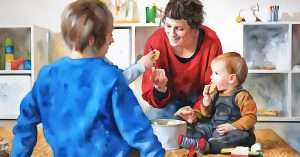
Create inclusive, communication-friendly ECE spaces with Anne Vize – where every child can express themselves, connect meaningfully, and thrive through purposeful planning.
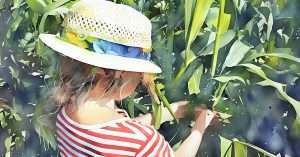
Explore the wonders of science in early childhood education! Learn how to connect science with the EYLF, nurture curiosity and create inspiring environments for young learners.

Early childhood learning environments in Australia should reflect the diverse abilities of our children. Let’s explore the considerations for creating an inclusive learning environment.
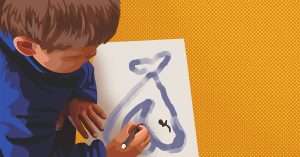
Undoubtedly, the learning environment is a vital part of early childhood education. It is one of the seven Practices of the Early Years Learning Framework. Additionally, the learning environment supports several Quality Areas in the National Quality Standard.

Creating environments that spark curiosity and wonder is not difficult and yet, at times, infant environments in early childhood settings can be sterile or uninspiring. Here I explore the notion of creating environments that spark curiosity in infants.

When we spend time talking and playing with children in an early childhood setting, we learn more about what interests them. In that way we gain more opportunities to build on their early experiences, extend their learning and so enhance their development.