
Why do we include science in early childhood education? Science is a wonder! It solves the puzzles of the physical world and explores the fascinations of biological life. It ponders the mysteries of the earth and celebrates the incredible gift of the natural environment. Exploring these wonders helps us answer the question: why do science?
Science is omnipresent in our everyday lives. Put simply, science is the study of the natural world.
Engaging with science starts in early childhood as young children explore their environment and start to make sense of the natural world that surrounds them. It is important for early childhood educators to tap into and extend upon the innate sense of wonder that children possess as they delight in their discoveries about the natural world.
(ACARA 2024)
Connecting science in early childhood education to the EYLF
Science learning in early childhood education aligns closely with the Principles, Practices and Learning Outcomes of the Early Years Learning Framework (EYLF). Science naturally integrates into everyday experiences and play, nurturing creativity, imagination, wonder, curiosity, exploration, inquiry. It also inspires an active pursuit of knowledge.
We can provide relevant and meaningful EYLF-aligned science experiences once we realise that opportunities for science learning exist everywhere. It is important for early childhood educators to recognise and understand the science learning areas: biological, physical, earth and environmental. This understanding enables early years science educators to easily recognise how science can be connected to the EYLF.
Implementing science in early childhood education settings
Implementing science in early childhood environments is vitally important. Incorporating science, nurtures children’s natural curiosity, enabling them to explore and understand the world around them.
Educators can:
- Model a sense of wonder and show a genuine interest in and respect for the environment – For example, through recycling, gardening and caring for living things.
- Utilise intentional teaching – This involves intentionally setting up learning environments to support specific science learning experiences. It also includes thoughtfully recognising and taking advantage of spontaneous teaching opportunities.
For example, an educator noticing a child’s sense of wonder when finding a spider web glistening with morning dew, can use intentional teaching to make endless curriculum connections. The educator could use this discovery to invite the child to look closely at the spider web and then represent what they see through writing, drawing, modelling or other artwork.
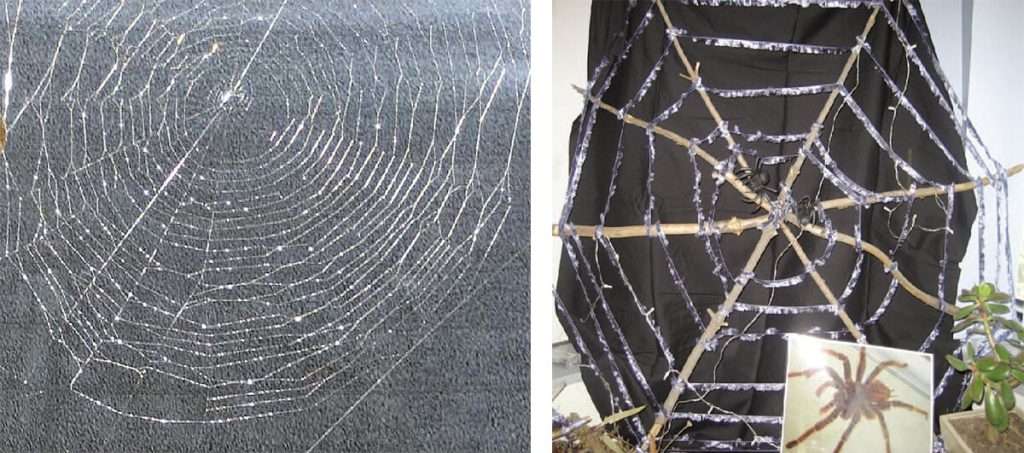
- Encourage inquiry-based learning – Science itself is inquiry; inquiry is a process that involves looking at existing knowledge ‘What do we know?’, asks ‘What else do we want to know?’, proposes ‘How can we find out more?’ and concludes with ‘What have we found out?’ It allows young children to be at the centre of the activity and to intrinsically connect with their own learning.
In the previous example about the spider web, the child with their educator can move through the inquiry process outlined above to explore the spider web.
- Facilitate positive dispositions for learning by offering a play-based curriculum and engaging children through intentional teaching – Skilled educators intentionally plan for the possibilities and extract a range of rich learning opportunities. The EYLF identifies nine positive dispositions for learning: curiosity, cooperation, confidence, creativity, commitment, enthusiasm, persistence, imagination and reflexivity.
For example, a camping experience can stimulate children’s imaginations and enthusiasm while extending science learning. Cooking with young children provides many possibilities for science learning through hands-on experiences that encourage observation, problem-solving, investigation and exploration. As well as being a lot of fun, a cooking experience allows children to observe physical and chemical changes in the ingredients disappearing, melting or dissolving, changing their colour or texture, they are also developing their science vocabulary.

- Provide relevant and meaningful experiences to develop children’s science process skills – This includes observing, problem-solving, investigating, predicating and interpreting.
For example, children can utilise these process skills when learning to care for and respect their environment by participating in gardening activities, such as digging, planting, watering, weeding and harvesting.

How to create inspiring environments for young children
When young children are provided with inspiring spaces that engage them in scientific learning, they experience the joy of exploration. Furthermore, they develop a sense of wonder about the world around them.
By valuing children as competent and capable learners, educators can encourage and inspire them to share their ideas and knowledge. Educators can:
- Create aesthetically pleasing environments – The physical environment has a powerful effect on the well-being of children and educators. Thoughtful and enticing materials will enrich their environment and invite children to engage in learning about science.
- Provide a wide range of authentic and inspiring resources – This will promote a sense of wonder and curiosity in young children by enhancing aspects of learning like concentration and perseverance in their investigations. When we include both natural and recycled materials as well as good quality equipment and tools. Here are some suggestions:
- fabrics – large pieces of fabric to define areas and drape over surfaces – aim for natural colours of differing textures and thicknesses
- observational and measuring equipment – e.g. magnifying glasses, mirrors, light boxes, rain gauges, tape measures, timers, thermometers, scales.
- natural materials – e.g. stones, rocks, mud, sand, pinecones, bird’s nests, seed pods, non-toxic easily grown plants such as fruits trees, vegetables, succulents, daisies and geraniums
- interesting containers – made from wood, glass, cane, raffia, wire, clay etc e.g. trays, aquariums, buckets, baskets, cups and bowls
- fastenings – e.g. rope, string, tape (sticky, masking, gaffer), staplers, glues and fine wire
- recycled products – e.g. building and plumbing off-cuts, glass jars and bottles, cardboard cylinders and boxes, empty spools, plant pots, ribbons.
- recording resources – grey lead pencils, coloured pencils, text as, inks, paints and digital cameras
- paper – white and coloured paper of varying thicknesses and sizes, cellophane, butcher’s paper, tracing paper and paint colour samples
- household and garage items – e.g. keys, padlocks, nuts & bolts, handles, sandpaper blocks, cogs, magnets, pliers, clamps, metal gardening tools
- references – science-related picture books, story books, simple factual books, gardening magazines, posters and internet sites
- animal and people props – realistic, good quality animal, insect and life-cycle figurines, finger and hand puppets, dolls and miniature people.

Conclusion
Scientific learning is of little importance if we cannot respect, protect and sustain the environment in which we live. By promoting values and beliefs about caring for the world, early childhood educators can nurture curiosity, critical thinking, and a lifelong commitment to sustainability. Hands-on early years science education lays the foundation for environmentally responsible adults who value conservation and sustainability.
For more great ideas for fostering a love of science in early childhood education, explore A Sense of Wonder – Second edition.
References
Aitkin, J, Hunt J, Roy E, Safar, B 2024, A Sense of Wonder: Science in the early years, 2nd edn, Teaching Solutions (Imprint of Essential Resources), Melbourne, Australia.
Australian Children’s Education and Care Quality Authority (ACECQA) 2022, Being, Belonging and Becoming: The early years learning framework for Australia V2.0, Australian Government Department of Education for the Ministerial Council, Australia
Australian Curriculum, Assessment and Reporting Authority (ACARA) 2024, Australian Curriculum: Science.