
Young children’s natural connection with Science
Why teach science to young children? Because young children and science are a natural fit. Early learning science engages young explorers.
Christine Howitt, an Associate Professor in early childhood science education at The University of Western Australia’s Graduate School of Education, focuses her research on enhancing the science identity of young children and exploring science learning in informal settings.
Recognising the importance of making science accessible, Christine has authored several books that aim to engage young children, educators, and parents in the wonders of science. Her publications, such as “Science is Everywhere,” “Planting the Seeds of Science,” and “Colour Ideas for Kindergarten Children,” provide valuable resources to facilitate science exploration and understanding among young learners.
Christine’s work is driven by her dedication to fostering a love for science at an early age and promoting science education beyond the traditional classroom. Through her research and publications, she strives to empower children, educators, and parents to embrace science as an integral part of everyday life, unlocking their curiosity and inspiring lifelong learning.
Why teach science to young children? Because young children and science are a natural fit. Early learning science engages young explorers.
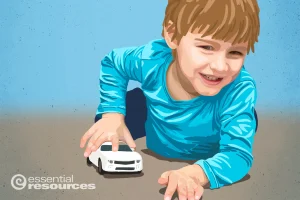
Play and learning. Not opposites, but complementary. Associate Professor Christine Howitt discusses how play is what young children naturally do and how they best learn.

Associate Professor Christine Howitt discusses the importance of integrating STEM into early childhood settings. It is an integrated approach to exploring and investigating.