
Engaging reluctant writers through interest-based writing
Discover how interest-based writing can re-engage reluctant writers in your English classroom. Inspire creativity, confidence and joy, and see your students fall in love with writing again.
Discover how interest-based writing can re-engage reluctant writers in your English classroom. Inspire creativity, confidence and joy, and see your students fall in love with writing again.

The transition from early childhood (ECE) to primary school impacts children and their family. Communication and pedagogical awareness are crucial elements for transition.

Students with dyslexia struggle to learn to read and spell. Compared with their peers (of the same intelligence, age or year level), dyslexic students progress at a slower rate and participating in reading, spelling and writing activities involves much more effort for them.
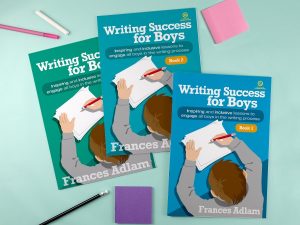
Writing Success for Boys author, Frances Adlam, discusses how creating rhythm can provide a clear pathway for building success in writing for all children.
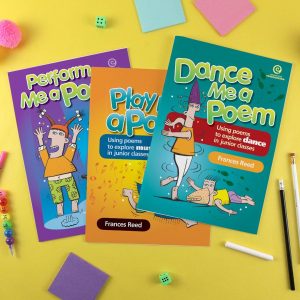
Why wouldn’t you use the Arts to explore and teach poetry to children? Read through Frances Adlam’s top tips and tricks on how you can use the Arts for poetry in your class.

Best practice teaching revolves around multi-sensory learning, teacher knowledge, intelligences, and more. Explore what multi-sensory learning is with Frances Adlam.