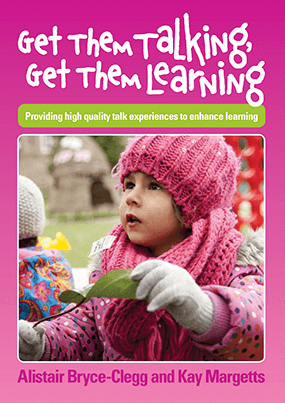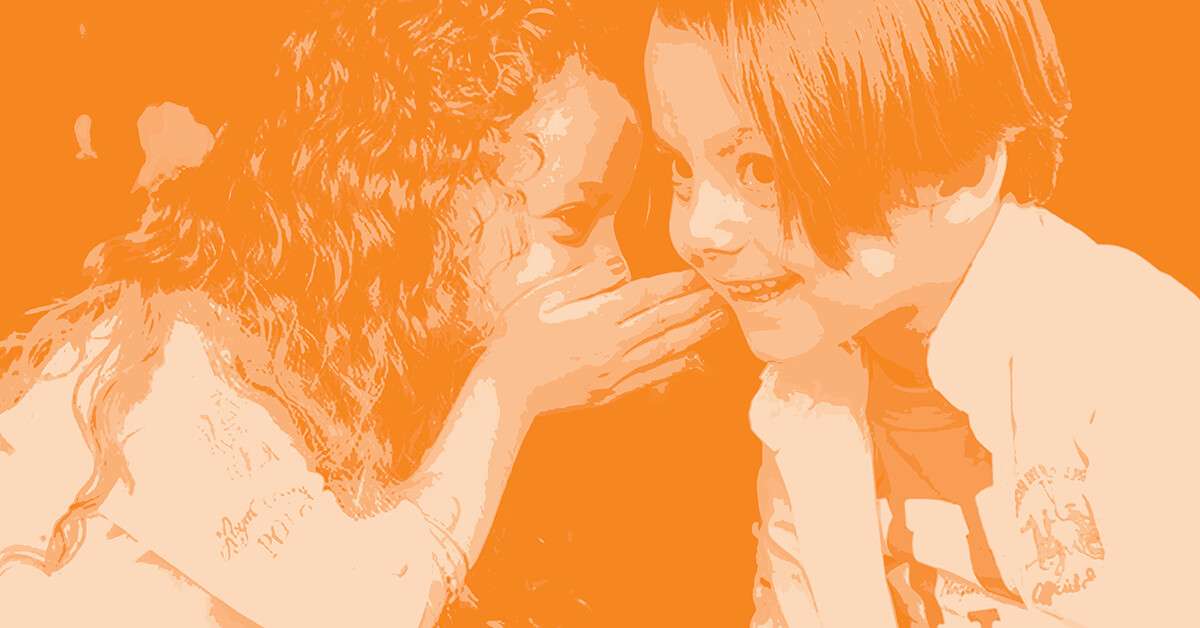
As it says in one of our oral language skills and literacy resources for the early years, Get Them Talk, Get Them Learning, “Command of language is the single most important thing that we can teach our children. The more they understand it, the more diverse their use of language can be”.
Supporting oral language development is an essential part of early childhood education. Not only are oral language skills the bedrock of literacy. They are vital for learning in general. What is more, the significance of oral language development extends beyond the classroom.
- Communication – Oral language is the basis of most social interactions in life. For children, it helps them to tell other people what they feel and think.
- Life chances – Early language skills are a predictor of later academic achievement and success in working life, including earning a higher income while working.
- Wellbeing – Oral language is a way for children to express themselves, which helps them to manage their emotions and behaviours.
Here’s the problem. We have historically been taking the wrong pedagogical approach when teaching oral language, as argued in Get Them Talk, Get Them Learning:
“Adult-focused sessions are still centred around adults speaking and children listening. If we are going to change the ingrained practice of ‘chalk and talk’ to allow children the opportunity to engage with their learning in a meaningful and personal way, then there needs to be a huge pedagogical shift.”
The question then is, how to teach oral language skills meaningfully and personally?

Keep the conversation going
“Serve and return” is a term used for back-and-forth interactions in conversations. It is like what tennis players do to keep a game going. Knowing how and when to take turns talking is the first step in learning to converse.
Talking with children, rather than at them, allows children to use their new sounds, words and sentences. Like adults, children often need time to process and construct their responses. If they feel under pressure, they are less like to continue turn-taking talk. Practising intentional pausing is important to encourage children to participate in conversations.
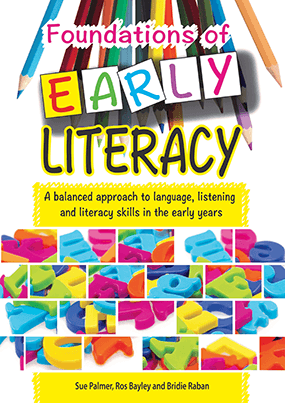
Foundations of Early Literacy is a language and literacy resource from Essential Resources. It suggests counting to 15 in your head while waiting for a child to respond. Then, if it is appropriate, ask the child again. It may feel weird, but children really do need plenty of processing time.
Early childhood educators should use talk games that involve turn-taking to help children learn the “serve and return” of conversion. Games like peek-a-boo, I spy or the Sāmoan chant of Mili mili pati ā.
Another teaching idea to draw children into a conversation is to make it personal. Children will contribute more when their personal experiences and interests are the focus of the conversation.
A systemic review of Australian literature provides examples of strategies for personalising conversation:
- Use photographs or children’s learning stories as prompts for children to tell a story about an experience.
- “Second stories” are offered after an educator or another child has started the first story. For example, the first story would be, “I went to the park on the weekend.” When another person makes a personal connection, the second story follows. “I also went to the park and …”.
Use questioning effectively
Part of keeping the conversation going involves using the right question at the right time. Too many questions or the wrong kind can quickly close down a conversation. The deliberate use of open-ended questions is a helpful tool for starting conversations. Except, not all open-ended questions are created equal.
Many “wh questions,” like who, what and where, can result in one-word answers and feel like a test to the children. Instead, ask questions that get children evaluating, critiquing and speculating. For example, when reading to children, ask, “What do you think might happen next?”
Using “I wonder…” questions has also been shown to invite children’s responses and encourage longer turn-taking. These questions position the educator as curious and place the child as an equal partner in the conversation. Children are more likely to contribute if they feel like equals and that their ideas are valued.

Develop a ‘talk-rich’ environment
Get Them Talk, Get Them Learning explains why a talk-rich environment is crucial for oral language development in early childhood: “There are a number of different types of talk that require different sorts of experiences and different vocabulary.”
Here is what authors Bryce-Clegg and Margetts mean by a talk-rich environment:
- Have different-sized spaces, from private den-like areas for children to whisper to large open spaces for children to shout.
- Use assessment and observation to create areas to match children’s oral language needs and stage of development.
- When space is an issue, “provide lots of interesting open-ended resources in all your spaces that will appeal to different children in different ways and inspire them to want to talk.”
- Give children access to resources aimed at specific elements of talk. For example, when developing conversation turn-taking provide games that involve turn-taking – like ball catching or playing cards.
Oral language skills are a platform for children’s learning – “Reading and writing float on a sea of talk” after all. Therefore, early childhood educators must support children’s oral language development through meaningful conversations, genuine questions and talk-rich environments.