As educators, building strong partnerships with families is fundamental to our work with children who use early years services. Partnerships with families support our use of inclusive education strategies in our daily practice, and help children succeed and thrive. When we are supporting a child who has additional needs, the partnership we foster with their family can promote learning and skill development as well as ensuring a smooth transition into a school setting.
A collaborative approach to supporting families
A collaborative approach to supporting families of children with disability means a great deal more than simply inviting a parent to attend a support group meeting or fill out a form.
A truly collaborative approach:
- goes beyond partnership in decision making processes
- ensures that families are involved in ways befitting their needs and preferences.
Some families may prefer to visit frequently and be a part of the day-to-day happenings in their child’s life. However, others may want to spend their time doing other things. Some may seek information about inclusive education strategies that can work with their child, while others prefer to provide information they already have about their own experiences at home.
What are the benefits of family-centred practices in early childhood education?
The benefits of family-centred practices in early childhood education are clear – for families, children with disability and the wider community. Family engagement in education supports learning for all children, helping them build their skills and apply them across all the places which are important in their life. We know that using a family-centred practice helps families feel and be empowered, and that it is an approach which recognises that all families are unique. It helps families feel confident in asking questions and seeking the information they need – at the time they need it.
Family-centred practices also work best for children. They feel respected and valued as individuals, secure in the knowledge that their identity and culture is upheld, and their strengths are acknowledged. This close engagement promotes a positive transition to school for children with disability, knowing and expecting they can continue the truly inclusive education journey which they have begun in the early years.
A key aspect of family-centred practices in early childhood education is using inclusive education strategies to support active, full participation by children with disability in all aspects of the program.
Inclusive education strategies for building partnerships with families
Inclusive education strategies support all children to learn and grow. They are strategies we choose and use as a team, with all educators and support staff working in a similar way to provide consistency for children with additional needs. Inclusive education strategies are embedded into daily planning with ideas and approaches to make information and activities accessible for all children. They happen on a planning and delivery level with educators thinking about and responding to situations to provide additional or different support.
Here’s some examples of inclusive education strategies to support children with additional needs:
- Use a visual schedule to show what happens during a day.
- Provide a quiet, calm space with lower lighting.
- Add accessibility features so all areas of the building and play spaces can be accessed easily and safely.
- Learn some key word signs to support communication.
- Encourage children to self-select activities from a range of options around a room or outdoor space.
- Utilise mealtimes as an opportunity for supporting language, fine motor skills and social interaction.
Promote family engagement in education by discussing and sharing inclusive education strategies in newsletters, displays, online communications and incidental conversations.
Supporting family-centred practices in early childhood education
As a team, the inclusive education strategies we use to support children with additional needs in our setting can help us build a valuable partnership with parents and families. While some families will already be confident using a range of strategies at home, others will be just beginning their own learning journey.
Part of our role as educators is to utilise family-centred practices in early childhood education settings which provide the support a family wants, in ways that fit with their own preferences, approaches and values. We can share information about the things we do in the setting to support children to learn, grow and communicate. We can also listen carefully to what families tell us is important to them and their child, and the information and support they need at the moment.
Here are some practical strategies you can try, as you work to build a truly family-centred approach:
- Use a communication book or journal to share daily updates about children’s achievements and the successes that have happened during the day.
- Share observations about how a child is using equipment, accessing an area or playing with items.
- Collaborate on vocabulary for a communication device so there is a shared understanding of the words which are important for the child to use at home and in the setting to express their needs and wants.
- Invite families to visit and be active partners in their child’s participation in learning experiences.
Conclusions on building partnerships with families
Building partnerships with families in early childhood education is essential for the wellbeing and inclusion of children with disability.
Family-centred practices ensure that the needs and preferences of each family are respected, met, and a supportive environment is created. Inclusive education strategies enable children to participate fully and thrive in their early learning experiences. Collaborating with families of children with disability enables educators to support children as they prepare for school and beyond.
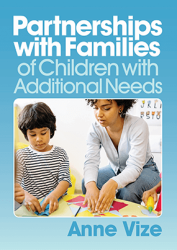
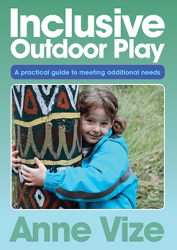
To delve deeper into the topic of family-centred practices and inclusive education strategies, you can explore Anne Vize’s insightful books Partnerships with Families of Children with Additional Needs, Including All Children and Inclusive Outdoor Play. Each book provides valuable guidance and practical advice for educators and families alike.
About the author
Anne Vize specialises in writing for children and young people who learn in different and unique ways. She is a special educator and writer from Melbourne and works to develop print and digital resources for children, their teachers and supporters. She works in the vocational sector developing learning resources for training providers and creates freelance content to support the new vocational major curriculum in Victoria.