Small ways to reset, reflect and re-energise
Conversations about educator wellbeing, staff wellbeing in childcare and mental health support are becoming more visible – and rightly so. If you work in early childhood education, chances are you often end a day feeling either deeply fulfilled, completely depleted – or a mix of both. Across the early childhood education sector, educators are navigating increasing expectations, workforce pressures and the emotional demands of caring for children and families, all while trying to look after themselves and each other.
Wellbeing in early childhood education isn’t separate from quality practice; it underpins everything you do. The encouraging part is that meaningful change doesn’t always require sweeping reform. Small, intentional actions – moments to pause, reflect and reconnect – can make a real difference. This article shares practical educator wellbeing strategies to help you reset, reflect and re-energise, both individually and as a team.
What small actions can help reduce educator burnout?
Burnout rarely arrives suddenly. More often, it creeps in through ongoing stress, emotional exhaustion and the feeling that there’s never quite enough time or energy. The good news is that research into stress management for teachers consistently shows that small, consistent actions can act as powerful buffers.
Start simple
- Regular movement
- A few moments of mindful breathing
- Gratitude reflections
- Celebrating small wins at the end of the day
Any of these can help calm the nervous system and restore emotional capacity. Rather than being another task to your list, view them as quick tools to help you recover from the demands already on your plate.
Notice how you talk to yourself
Reflect on whether you’re approaching challenges with a fixed or growth mindset. Gently challenge worst-case thinking, and ask “Is this thought accurate, fair and helpful?” Catching yourself in this headspace can reduce rumination and support your emotional wellbeing at work.
Protect your connections
- Supportive relationships
- A sense of purpose in working with children
- Intentional disconnection from work
All are strongly linked to higher job satisfaction and reduced burnout. These small shifts can collectively strengthen early childhood educator wellbeing and help sustain you in the work you care so deeply about.
How can early childhood educators prioritise wellbeing and self-care?
Prioritising wellbeing can feel difficult in a profession built on caring for others. Yet educator self-care ideas are not about indulgence – they’re about sustainability. Work-life balance for teachers starts with recognising that wellbeing is foundational to good teaching, not something to attend to when there’s time.
Self-care might look like:
- Setting clearer boundaries around work hours.
- Making space for playfulness.
- Practising mindfulness during the day.
Even brief moments – stretching between transitions, taking a few slow breaths, or stepping outside – can help reset your energy.
Professional learning is another important layer of support. Accessing professional development for ECE teachers builds confidence, autonomy and a sense of competence, all of which protects wellbeing. Resources such as Taking Care of You by Anne Vize offer practical guidance on understanding stress, recognising early signs of burnout and working collaboratively to support wellbeing across teams.
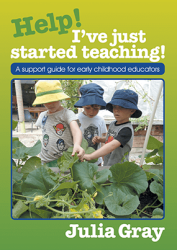
For graduates and early career educators, this support is especially vital. Help – I’ve just started teaching! by Julia Gray reassures new educators that uncertainty is part of the journey, while offering practical advice drawn from real experiences – supporting confidence, connection and teacher mental health.
How can critical reflection support educator wellbeing?
Reflective practice in early childhood is often linked to pedagogy, but it is just as valuable for supporting educator wellbeing. Reflection helps you make sense of your experiences, recognise stressors and respond more intentionally.
Gentle reflective questions ideas
- What energised me today, and what drained me?
- Where did I feel supported?
- What is one thing I can influence right now?
Research into building resilience in early childhood educators reminds us that resilience isn’t about simply coping or pushing through. It’s about adapting, learning and growing over time – often through challenge. Protective factors such as reflective thinking, supportive relationships and positive self-belief help educators stay engaged and hopeful, even when things feel tough.
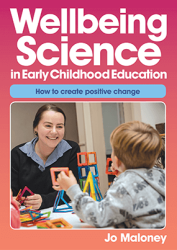
Jo Maloney’s work highlights that educators with higher resilience experience greater job satisfaction and are more adaptable to change – benefiting both educators and children. Her book Wellbeing Science in Early Childhood Education offers a reassuring blend of wellbeing science and practical strategies that educators and teams can embed into everyday practice.
Ways educational teams can support each other’s educator wellbeing
While individual strategies matter, team wellbeing in childcare is something you build together. Positive, supportive relationships are one of the strongest contributors to staff wellbeing and resilience.
Teams can nurture wellbeing by:
- Checking in with each other regularly and genuinely.
- Offering specific, affirming feedback that recognises effort and strengths.
- Normalising help-seeking and mentoring relationships.
- Creating space for shared reflection and professional conversations.
Often, it’s the smallest relational moments – a warm greeting, feeling truly listened to, being acknowledged – that refill your wellbeing “buckets”. When educators feel connected and valued, they have greater capacity to meet children’s social and emotional needs, strengthening outcomes for everyone.
Embedding early childhood wellbeing resources and professional learning for early childhood educators into everyday routines – staff meetings, planning days or informal catch-ups – all helps wellbeing feel prioritised, practical and ongoing.
Reflective questions to guide your educator wellbeing reset
As you pause, consider:
- What is one small wellbeing habit I could recommit to this week?
- Who helps support my wellbeing at work, and how can I nurture that connection?
- What professional learning or wellbeing resource would support me right now?
- What could our team do to protect wellbeing during busy or challenging times?
These questions invite solution-focused reflection and gentle, achievable change.
Educator wellbeing conclusions
Educator wellbeing is not an add-on. It is essential – and sits at the heart of quality early childhood education. When educators feel supported, connected and emotionally resourced, children, families and teams all benefit.
Start small. Choose one action – personal or collective – that helps you reset, reflect and re-energise. Explore early childhood professional learning resources, engage with wellbeing science in early childhood education, and keep the conversation about staff wellbeing in childcare alive within your service.
By caring for yourself and each other, you strengthen your resilience, your relationships and the future of early childhood education in Australia.