Attachment theory in early childhood relates to the connection established between a child and their caregiver. It is a critical component of this foundation. It shapes a child’s self-esteem and influences their relationships, resilience, and well-being throughout life.
Attachment relationships are particularly relevant in early childhood as young children cannot care for themselves. They are therefore reliant on a caregiver to attend to their needs (du Plessis, 2009).
Understanding attachment theory in early childhood helps us appreciate its importance and its impact on children’s emotional wellbeing.
What is attachment theory in early childhood?
Attachment refers to the “strength of feeling between two people, such that they will strive to maintain and even develop their relationship” (2004, p. 110 Drewery and Bird via du Plessis).
Attachment develops through everyday interactions between the child and their main caregivers due to the adults’ responses to their needs. These responses shape the baby’s nervous system (Blank and Mathews 2018). In these “serve and return” interactions, babies use babbling, facial expressions and gestures to engage adults, who reciprocate these actions. These exchanges build and strengthen brain architecture and affirm babies’ experiences (National Scientific Council on the Developing Child).
Types of attachment in early childhood
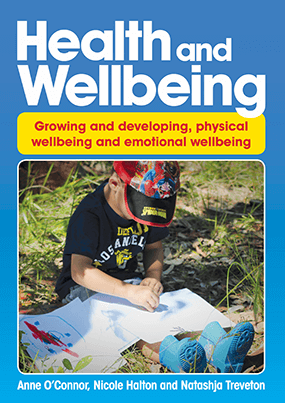
Attachment provides the infant’s first coping system. It builds a mental representation of the caregiver in an infant’s mind, which they can summon to self-soothe when stressed. Attachment allows an infant to separate from the caregiver without distress and explore the world around them (Psychology Today). Children can develop either secure or insecure relationships. Health and Wellbeing has lots of information on different attachment types and how they form.
Secure Attachment
Secure attachments in the early years help children to develop a positive sense of self, social and relationship building skills (National Scientific Council on the Developing Child). In an educational environment, securely attached children depend on educators to support them when necessary. They are inquisitive, readily engage in play and communicate their needs clearly (Harman-Smith, 2011).
Insecure Avoidant Attachment
If 50-70% of children develop secure attachment style, then around 40% do not. (Blank and Mathews 2018). Insecure Avoidant Attachment develops when a child is made to feel that their needs will be met. From infancy, they are unlikely to have experienced consistent attention from their caregivers (Blank and Mathews 2018). This causes them to learn to ‘fend for themselves’.
They might avoid depending on others for comfort; seem unemotional and hesitate to try new things for fear of failure (O’Connor, Halton and Treveton, 2018). Children with insecure avoidant attachment may feel suspicious or anxious in the care of adults.
Negative interactions in infancy prompt the release of the hormones adrenaline and cortisol. This has been described as a ‘fight or flight’ reaction. If cortisol is secreted at inappropriate times and at much higher levels, it can interfere with the developing brain. The brains of chronically deprived and abused children have been shown to be smaller than normal (Rowley, 2019).
Anxious Attachment
This develops when a child has received inconsistent care and attention. This leads to clingy behaviours such as needing constant reassurance and displaying attention-seeking behaviour. This is because the child is concerned that they will be forgotten. (O’Connor, Halton and Treveton, 2018).
The importance of attachment in the early years
Children who feel relaxed in the service have more capacity to engage in learning (O’Connor, Halton and Treveton, 2018). Additionally, secure children whose needs are met exhibit fewer challenging behaviours. This in turn reduces teacher stress (Harman-Smith, 2011).
It is also important as educators to consider how our own attachment might affect our interactions with others. Kesner (1994; 1997) found a link between the teachers’ own childhood attachment experiences and the relationships they developed with children. Teachers with secure attachment developed relationships with children that were less dependent. Meanwhile, individuals with avoidant attachment may appear less sensitive and responsive to others’ needs (p. 251, Kennedy via du Plessis).
How to foster secure attachments in your early years setting
Children are less capable of managing their own behaviour than adults. Therefore, as educators, the responsibility for the quality of that relationship falls to us. Secure attachments between children and educators in an early childhood setting allow children to feel safe (Harman-Smith, 2011). Furthermore, it is an opportunity for them to engage with positive models of interpersonal interaction (Harman-Smith, 2011).
Getting to know families
Getting to know people enables us to anticipate their needs, feelings, and reactions to situations. Building secure attachments with children is easiest when educators mirror adults to whom children are already securely attached. Interacting with a child’s family allows you to learn about their typical behaviours, interests and special people in their lives. All are valuable in helping you to make connections with them (Harman-Smith, 2011).
Understanding behaviours that challenge
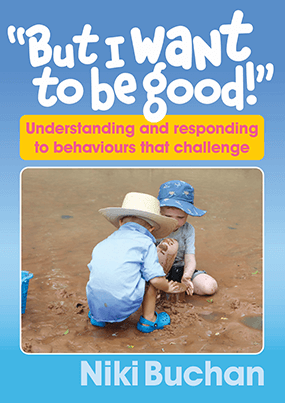
As educators it can be helpful to reframe children’s behaviour as indicative of their needs. For example, an attention-seeking or disruptive child might, in fact, be craving connection. If a child is demonstrating challenging behaviour, we must investigate the cause rather than scolding them (Harman-Smith, 2011). But I want to be good! by Niki Buchan provides expert guidance on helping children with challenging behaviour. The book describes issues related to neurodiversity and trauma and strategies for responding to them.
Helping children to understand their emotions
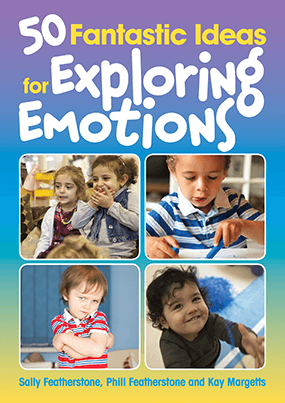
Furthermore, behaviour issues may indicate that a child is struggling with emotional regulation and expressing themselves. Exploring Emotions and 50 Fantastic Ideas for Exploring Emotions help children to explore their emotions through stories, songs and movement.
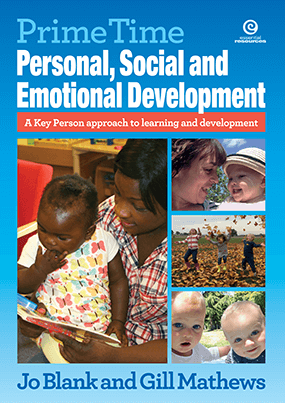
Storytelling can be a powerful way to foster emotional development in early childhood. Telling a story based on a problem arising in your setting can give children ways to deal with the problem. Prime Time Personal, Social and Emotional Development contains many insightful activities, including a helpful story plan.
Conclusions about attachment theory
In conclusion, attachment in early childhood significantly impacts a child’s development, shaping their social and emotional wellbeing. Secure attachments with caregivers and educators provide a foundation of trust and safety, enabling children to explore, learn and grow. Conversely, insecure attachments can lead to emotional dysregulation, highlighting the critical role caregivers and educators play in fostering healthy development. For more information on attachment theory in the early years, check out Health and Wellbeing.
References
Center on the Developing Child at Harvard University. (2009). Young children develop in an environment of relationships. Retrieved July 1, 2024.
du Plessis, K. (2009). Early childhood teacher-child attachment: A brief review of the literature. Retrieved July 1, 2024.
Harman-Smith, Y. (2011). Understanding Attachment Theory, Emotional Availability and Application in Early Childhood Settings. In Gowrie SA. Lady Gowrie Child Centre (SA). Retrieved July 1, 2024.
Psychology Today. (n.d.). Attachment. Retrieved July 1, 2024.
Rowley, S. (2022, February 15). Wiring the Brain – Brainwave Trust Aotearoa. Brainwave Trust Aotearoa. Retrieved July 1, 2024.
Takai. (n.d.). Neuroscience in the first year. Retrieved July 1, 2024.